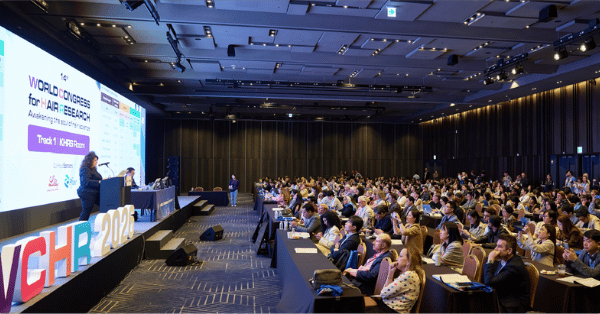
World Congress for Hair Research 2026 conference Review
Shirley McDonald FIT
IOT Board Director & Tutor
22nd June 2026
The WCHR conference in Seoul, South Korea was a fantastic event, featuring over 1,450 delegates, 300 exhibitors, and 20 main sponsors. With more than 750 lectures presented over four days, the scale was impressive. Among the attendees were UK delegates, including dermatologists and trichologists. A highlight was David Kingsley, a Trichologist from the World Trichology Society USA, who delivered an insightful talk on the purpose of trichologists, drawing a packed audience eager to learn about the work of Trichologists including nutritional benefits of their work. A New York dermatologist, remarked that much of what was discussed at the conference echoed the insights trichologists have been sharing for the past 20 to 30 years – for me I’d say the last century. While there were countless lectures worth mentioning, here are some key takeaways from the event.

- Cicatricial Conditions: In a study of 315 patients, primarily women, methotrexate and cyclosporine were found to be the most effective systemic treatments for LPP. Retinoids and cyclosporine showed high response rates in FFA, although they are often discontinued due to side effects individualised treatment is crucial for patients.
- Cosmeceuticals: This sector is booming, with biotin being a popular ingredient. However, more peer-reviewed research is needed to ensure validity and transparency in formulations.
- Hair Transplant: Studies indicate that PRP, when used as an adjunct to hair transplants, can enhance the survival rate of transplanted follicles, promote earlier entry into the anagen phase, and improve hair density and quality.
- Microbiome Analysis: Research on exosome therapy containing probiotics suggests it may help reduce clinical inflammation linked to hair thinning. While evidence for the combined use of exosome therapy and microbiome care is limited, positive outcomes in hair density and quality of life have been reported, making this a promising option for early-stage chronic hair loss in aesthetic practice.
A common theme in many lectures – individualised treatment is key and patients need to be on medication substantially longer before changing in order to see results e.g. immunosuppressants.
The brain-gut axis is an important element of patients treatment.
To see Dr David Kingsley’s (President of the World Trichological Society) WCHR reflections – follow this link https://youtu.be/jlbw65bNULo?si=93le4oc8Ak7M7uqn and to see his presentation, follow this link https://youtu.be/5nIArSi7kDc?si=whw4nTb_kBkqQjEm